Flores Island is located in the East Nusa Tenggara province of Indonesia. It is part of the Lesser Sunda Islands, a group of islands in the eastern half of Indonesia.
Flores Island lies east of Komodo Island and west of Lembata Island. The west coast port town of Labuan Bajo is a gateway to Komodo National Park. This park is known for its carnivorous Komodo dragons and waters teeming with sea life, including manta rays and turtles. Also on the island is Kelimutu National Park, with its volcano and three intensely colored crater lakes.
Flores has many tourist attractions, the most famous of which are Komodo National Park, Wae Rebo Village, and Mount Kelimutu. Before you visit Flores Island, you need to know what attractions you want to visit.
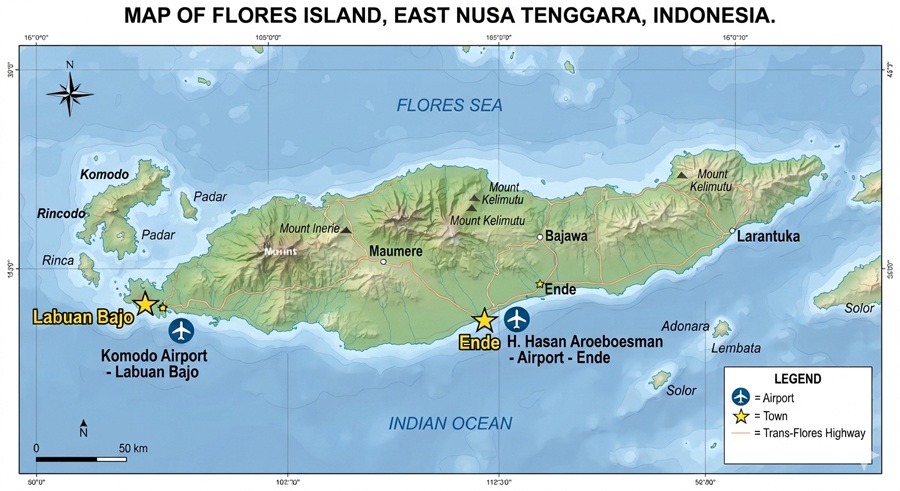
How to get to Flores Island?
Before heading to Flores Island, there are a few things you should know. Where exactly do you plan to visit?
If you are visiting Kelimutu, you should book a flight to Ende Airport; however, if you wish to visit Komodo Island, you should book a flight to Labuan Bajo.
What if you are already in Ende and want to travel to Komodo? Daily flights from Ende to Labuan Bajo are available. For adventurous travelers, there is also the option of a 5-day overland tour from Kelimutu to Labuan Bajo.
Between Kelimutu and Labuan Bajo, there are numerous natural attractions, historical sites, and cultural spots to visit.
Tourist attractions on Flores Island.
There are many places to visit on Flores Island, including lakes, islands, caves, and villages.
Lakes and islands:
1. Kelimutu.
A mountain with three colored lakes that is a great place for nature lovers.
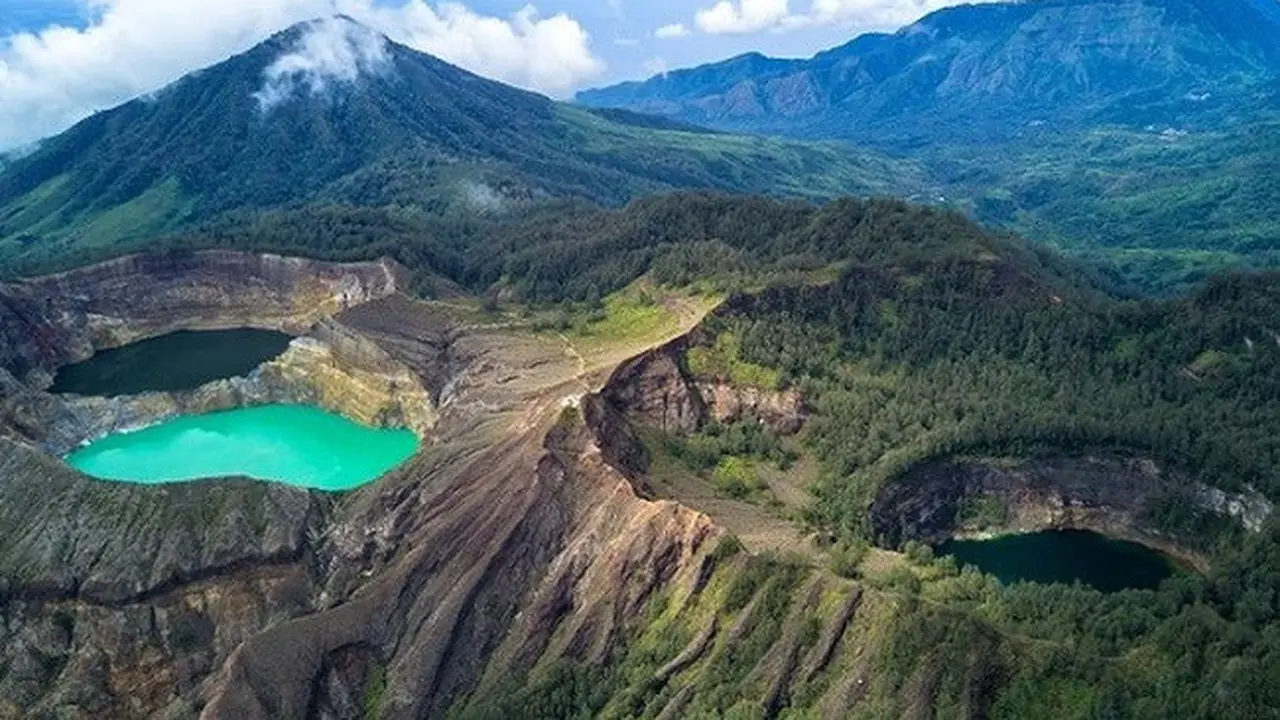
Lake Kelimutu is one of Indonesia’s most spectacular natural wonders. Located inside Kelimutu National Park in Central Flores, it is famous for its three volcanic crater lakes that unpredictably change color due to underlying chemical reactions.
2. Padar Island.
An island with three colored beaches, including black, white, and pink. Padar Island is the third-largest island in Komodo National Park and is famous for its iconic, panoramic viewpoint. This viewpoint shows three crescent-shaped bays—each featuring a different color sand: white, pink, and black.
Because Padar Island is uninhabited and has no hotels, it can only be visited via boat tours departing from Labuan Bajo, the main tourism hub on the western tip of Flores.

3. Kalong Island
Also known as Koaba Island, this low-lying circular island is home to fruit bats. Kalong Island (locally known as Pulau Kalong) is a small, uninhabited mangrove island located within the Komodo National Park borders.
It is legendary for one specific, breathtaking daily phenomenon: the mass exodus of millions of giant fruit bats (flying foxes) at dusk.
Around 5:30 PM to 6:00 PM every evening, the sky turns dark as these massive bats wake up and fly across the ocean toward the Flores mainland to forage for food.
Because it is surrounded by shallow waters and thick mangroves, you do not actually land on the island. Instead, boats anchor nearby to witness the spectacle from the water.

CAVES:
1. Rangko Cave.
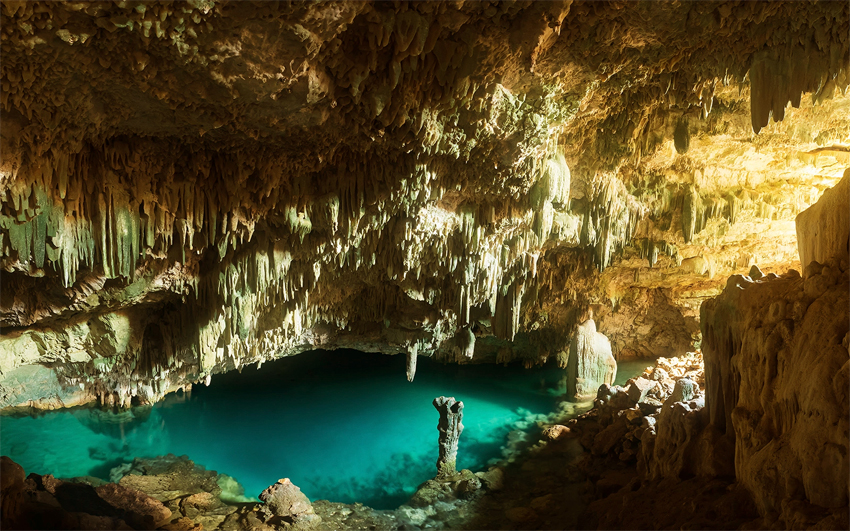
A rocky sea cave with clear water that turns turquoise at certain times of the day. Rangko Cave (locally known as Gua Rangko) is a stunning, hidden gem located near Labuan Bajo.
Gua Ranko features an incredible underwater limestone cavern filled with crystal-clear, salty blue water. Because the cave has an opening at the top, the afternoon sun shines directly into the cavern. It lights up the pool and creates a magical, glowing turquoise swimming hole.
2. Batu Cermin/ Mirror cave.
Mirror Cave (locally known as Gua Batu Cermin) is a fascinating geological site located right within the town limits of Labuan Bajo. The cave gets its name from a unique natural phenomenon: the limestone walls contain high deposits of salt and reflective minerals.
When the sun hits the rock formations at just the right angle through a canyon-like opening, the light bounces off the walls like a mirror. It illuminates the dark cavern. Inside, you can also see ancient coral and turtle fossils embedded directly into the stone walls, proving the area was once underwater.
VILLAGES:
1. Bena Traditional Village.
A village in the mountains with traditional houses and stone buildings. Bena Village (locally known as Kampung Adat Bena) is one of the most famous and visually stunning traditional megalithic villages in Indonesia.
Bena Village is located in Central Flores near the town of Bajawa, it sits spectacularly at the base of Mount Inerie. The village dates back over 1,200 years and consists of two parallel rows of traditional high-roofed wooden houses (sao).
Down the center of the village are sacred stone formations, ancestral shrines (ngadhu and bhaga), and ancient megalithic tombs. The villagers still preserve their ancestral Ngada culture. You will see local women sitting on their porches weaving beautiful, intricate Ikat textiles by hand.
2. Wae Rebo village.
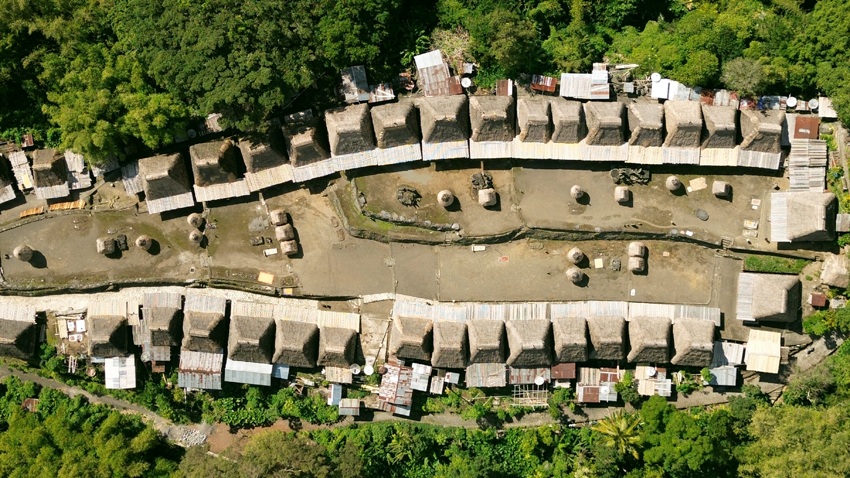
Wae Rebo Village is a remote, mystical traditional village tucked deep into the dense rainforests of the Manggarai highlands in West Flores. Known as the “village above the clouds,” Wae Rebo is world-famous for its seven iconic Mbaru Niang. These are cone-shaped, five-tiered traditional thatched houses that have been preserved for generations.
The village received the Top Award of Excellence from UNESCO in 2012 for its cultural heritage conservation. Because of its isolated location, reaching Wae Rebo requires an adventurous overland journey followed by a mountain trek.

WATERFALL:
1. Cunca Rami waterfall.
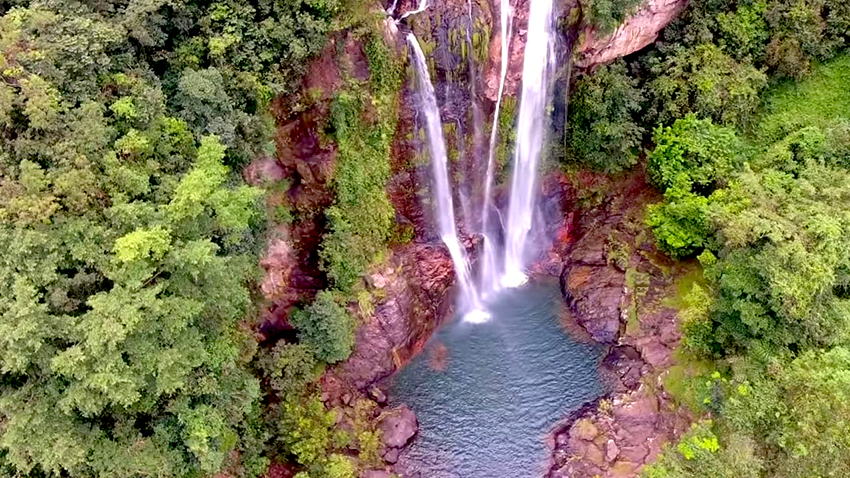
Cunca Rami Waterfall is a spectacular, hidden jungle waterfall located in the tropical highlands of the Mbeliling Forest Reserve. Falling from a height of approximately 30 meters into a large, clean natural pool, it is surrounded by lush vegetation, agricultural fields, and local villages. It makes for an excellent active day trip from Labuan Bajo if you want a break from the ocean and islands.
2. Cunca Wulang waterfall
Cunca Wulang Waterfall is one of the most famous nature stops near Labuan Bajo. Often described as a “hidden canyon,” it looks like a miniature version of the Grand Canyon. It features a rushing river squeezed between dramatic, towering limestone cliffs.
The main highlight is swimming through the narrow stone canyon and canyoning through the fresh mountain water. For thrill-seekers, there are various ledges along the rock walls where you can cliff-jump into the deep pools below.
3. Cunca Plias Waterfall
Cunca Plias Waterfall is a serene, multi-tiered canyon oasis hidden away within the Mbeliling Forest. Unlike the highly commercialized Cunca Wulang, it provides an uncrowded, peaceful escape.
The main highlight of Cunca Plias is its unique series of cascading levels, featuring several natural stone pools. Locals proudly refer to these formations as a “jacuzzi above the cloud” and a pristine “infinity sky pool” that looks out over the mountain valleys and dense jungle foliage.
UNIQUE BEACHES:
1. Long Pink beach near Padar Island
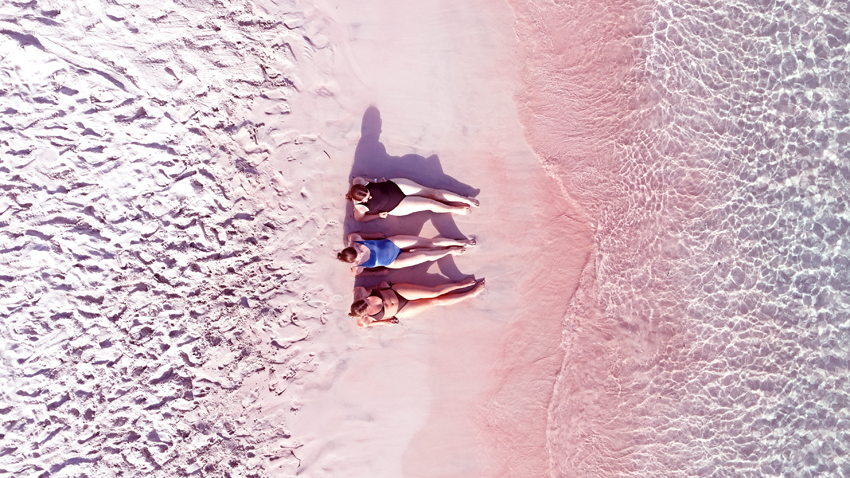
Long Pink Beach (often referred to simply as Pink Beach or Pantai Merah) is one of the most famous and striking natural attractions in Komodo National Park. The beach gets its striking blush color from microscopic animals called Foraminifera. These animals produce a red pigment on the coral reefs.
When these tiny red coral fragments mix with pristine white sand, they create a beautiful, glowing pink shoreline. This shoreline contrasts brilliantly against the turquoise ocean.
2. Pink Beach near by Komodo Island.
The other famous stretch is simply called Pink Beach (or Pantai Merah), and it is located on Komodo Island itself. Both beaches get their magical pink color from red coral fragments (Foraminifera) mixing with white sand. However, they offer slightly different vibes.
MOUNTAIN AND HILL:
1.Mount Inerie:
A mountain in Bajawa that can be climbed in one day. Climb Mount Inerie requires a guide and a good level of fitness. Mount Inerie (known locally as Gunung Inerie) is a magnificent, highly active stratovolcano located in the Ngada Regency of Central Flores Island.
Rising sharply to an altitude of 2,245 meters (7,365 feet) above sea level, it is famous for its almost perfectly symmetrical pyramid shape. The volcano dominates the skyline of the nearby highland town of Bajawa and looks directly down over the ancient stones of Bena Traditional Village, which you explored earlier.
2. Kelor Island.
Kelor Island (locally known as Pulau Kelor) is a tiny, picture-perfect island located just on the outskirts of Komodo National Park. Because it sits only 15 to 30 minutes away from Labuan Bajo, it is almost always the very first or very last stop on any island-hopping boat itinerary.
The island is famous for its striking topography: a steep, grassy green hill that tapers down into a sharp, narrow white sand spit. This formation points straight into a crystal-clear turquoise ocean.
3. Padar Island
Padar Island is the third-largest landmass within the Komodo National Park marine reserve, positioned between Komodo Island and Rinca Island. The island is completely uninhabited and features a rugged, volcanic landscape characterized by steep hills, dry savannahs, and deep bays.
It is globally famous for its iconic summit viewpoint, which reveals three crescent-shaped beaches converging in a single vista. Each presents a distinct sand coloration: pearlescent white, soft charcoal black, and a striking coral pink.
The trail consists of roughly 800 fully paved stone and wooden steps leading up the mountain spine.
THE ISLAND OF KOMODO DRAGON:
1. Pulau Komodo.
You cannot explore Komodo Island independently. All visitors must register at the Loh Liang ranger station and hike with an official National Park ranger (naturalist guide)
Komodo Island is the largest island within Komodo National Park, a UNESCO World Heritage site located between the islands of Sumbawa and Flores. The island spans roughly 390 square kilometers and is characterized by its rugged, arid savanna hills, patches of dense thorny jungle, and brilliant pink shorelines.
It is globally renowned as the primary natural habitat of the Komodo Dragon (Varanus komodoensis), the world’s largest living species of lizard, which can grow up to 3 meters (10 feet) in length and weigh over 70 kilograms (150 pounds).
2. Pulau Rinca
The main gateway on Rinca Island—Loh Buang—has been completely modernized into an eco-tourism hub.
Rinca Island is the second-largest island in Komodo National Park and sits significantly closer to the Flores mainland than Komodo Island.While smaller in total landmass, Rinca is famous for having a higher density of Komodo Dragons per square kilometer than its larger neighbor.
The terrain is dramatically arid, consisting mostly of rolling savanna hills and scattered palm trees. Because the dragons here live in more open, sun-exposed landscapes, they are often considered more active and aggressive than those on Komodo Island.